Branch Transformation: The New Blueprint for Community Banking
By Joe Woods, SVP Marketing & Partnerships, Dolphin Debit & Jeff Klump, President, K4 Architecture + Design
Branch transformation is no longer simply about reducing square footage - it's about rethinking how a branch serves its community.
As national and regional banks continue consolidating locations and exiting smaller markets, community banks have a unique opportunity to expand into underserved towns while maintaining a healthy operating model. Today's branch isn't defined by its size; it's defined by how efficiently it delivers service, technology, and personal relationships.
One of the most significant trends driving this evolution is the emergence of the microbranch - a smaller, more efficient banking facility that combines thoughtful design with advanced technology to deliver full-service banking experiences while operating with lower overhead.
Smaller Footprint. Bigger Opportunity.
The concept of branch transformation has gained momentum as community banks seek ways to enter new markets while controlling costs. By reducing the overall footprint, institutions lower construction and occupancy expenses while creating a more sustainable long-term operating model.
Many microbranches range from approximately 1,000 to 1,500 square feet and are typically staffed by two or three universal bankers. Despite their smaller size, these facilities are designed to provide the essential banking services customers need while maintaining flexibility to support more complex financial conversations.
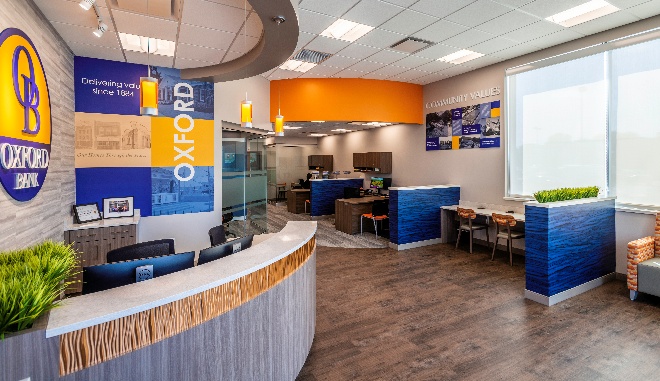
A branch that's even 1,000 square feet smaller than a traditional facility can produce significant savings - not only during construction or lease negotiations, but throughout the life of the building through reduced maintenance, utilities, and staffing requirements. These efficiencies allow community banks to establish a presence in markets that may not have supported a traditional full-service branch.
Rather than viewing smaller communities as underserved, many institutions now see them as underrepresented opportunities where relationship banking can flourish.
Technology is Changing the Branch Experience
Today's technology allows a smaller branch to provide nearly everything a traditional branch offers.
Enhanced ATMs and Interactive Teller Machines (ITMs) now support an expanded list of transactions while Teller Cash Recyclers reduce back-office cash handling requirements. These technologies can eliminate the need for traditional teller lines, pneumatic tube systems, and in some cases, even a full vault.
Freestanding ITMs also provide an additional expansion strategy. Located in parking lots or other highly visible locations, these installations extend a community bank’s reach into new communities with an even smaller footprint. Customers benefit from live video assistance while completing transactions, and remote tellers can schedule appointments for lending, account opening, or other specialized services at nearby staffed locations.
Staff remain essential—but their roles are evolving. Instead of processing routine transactions, employees are increasingly focused on building relationships, opening accounts, providing financial guidance, and supporting more complex customer needs. One universal banker or concierge can assist customers using multiple ITMs while remote tellers provide additional support through video when needed. Even lending conversations can now take place through secure video conferencing from a private office.
The pandemic accelerated adoption of these technologies, but institutions quickly realized they provide benefits well beyond emergency operations. ITMs create flexibility for staffing, improve service hours, and allow institutions to serve customers in ways traditional branches simply cannot.
Great Technology Requires Great Design
While technology enables branch transformation, thoughtful design determines whether customers embrace it.
Simply placing ITMs into a traditional branch layout rarely delivers the full benefit. Successful branch transformation begins by rethinking the customer journey - from the moment someone enters the parking lot to how they navigate the lobby and interact with staff.
At K4 Architecture + Design, we've found that today's most successful branches are designed around relationships rather than transactions. As technology assumes more routine banking functions, valuable square footage can be reallocated to consultation spaces, financial education areas, collaborative work environments, and flexible offices that adapt as operational needs evolve.
Designing a successful microbranch requires careful planning because every square foot matters. The layout must maximize efficiency without sacrificing comfort, privacy, or the welcoming atmosphere customers expect from a community bank. Traffic flow, visibility, technology integration, branding, and flexibility all become increasingly important as the footprint becomes smaller.
The result is a branch that feels welcoming, efficient, and intentionally designed around the customer experience - not just the equipment.
Planning for Flexibility
Branch transformation is also about preparing for tomorrow. Community banks continue to face changing customer expectations, evolving staffing models, and rapid advances in technology. Designing flexibility into a branch today allows institutions to adapt without major renovations in the future.
Modular furniture, scalable floor plans, shared support spaces, adaptable office layouts, and infrastructure planned for future technology upgrades all help extend the useful life of the facility while protecting the institution's investment.
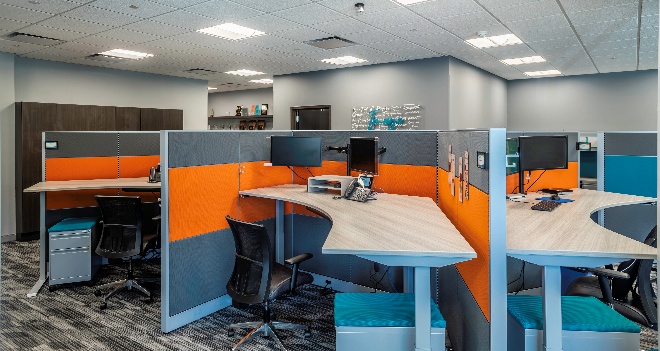
Flexibility also allows institutions to tailor individual branches to the unique needs of each market. A microbranch serving an agricultural community may dedicate more space to commercial and agricultural lending conversations, while another located in a growing suburban market may emphasize mortgage lending, consumer banking, or wealth management. This adaptability enables community banks to respond to local needs while maintaining operational consistency across their branch network.
A Stronger Branch Together
Technology and architectural design are most effective when they work together.
The right ATM and ITM strategy influences how a branch functions, just as the building's design influences how customers experience that technology. When these decisions are made collaboratively, financial institutions create branches that operate more efficiently, strengthen their brand, improve customer service, and position themselves for long-term growth.
The resurgence of community banking in smaller markets isn't being driven by larger buildings, it's being driven by smarter ones. By combining innovative technology, efficient operations, and intentional design, community banks can confidently expand into underserved communities while preserving the personalized service that differentiates them from larger institutions.
Branch transformation isn't simply about building smaller buildings or installing newer technology. It's about creating smarter branches that combine innovative technology with thoughtful design to meet the changing needs of today's communities while remaining financially sustainable for decades to come.